
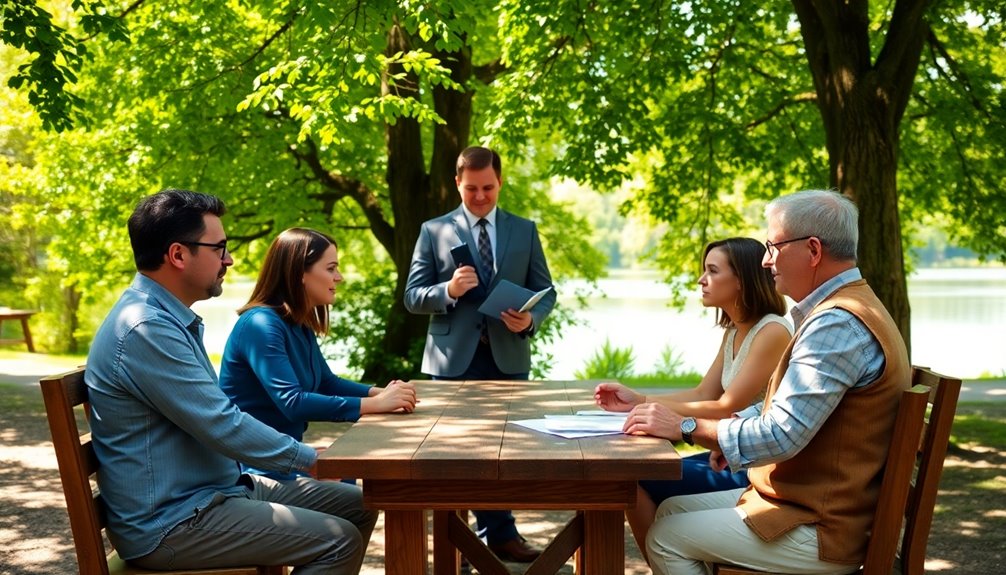
To settle legal disputes without litigation, individuals can utilize Alternative Dispute Resolution (ADR) methods. These include mediation, where parties collaborate to reach mutual agreement, arbitration, which provides a formalized resolution, and negotiation, focusing on finding common ground. Collaborative law involves both parties working together with their attorneys to resolve issues. ADR offers efficient, cost-effective solutions and promotes preserving relationships. Further insights into choosing the right method and preparing for the process can improve effectiveness.
Article Highlights
- Explore mediation, which fosters mutual agreements and improves communication, reducing costs and preserving relationships.
- Consider arbitration for a structured, faster resolution, ensuring confidentiality and legally binding outcomes.
- Engage in negotiation to find common ground through active listening and flexibility, often concluding disputes swiftly.
- Utilize collaborative law to work together with legal professionals, emphasizing open communication and respect for personalized solutions.
- Leverage the expertise of legal professionals to navigate ADR processes, ensuring compliance with legal frameworks and ethical standards.
Understanding Alternative Dispute Resolution (ADR)
Although legal disputes can often lead to lengthy court battles, many individuals and organizations turn to Alternative Dispute Resolution (ADR) as a more efficient means of resolving conflicts. ADR encompasses various methods, including arbitration and negotiation, designed to provide effective dispute resolution outside traditional court systems. This approach is particularly beneficial for conflict management, allowing parties to engage in dialogue and find mutually acceptable solutions. ADR often results in reduced costs and time, in addition to preserving relationships between disputing parties. By opting for ADR, individuals and organizations can navigate disputes in a manner that is often less adversarial and more collaborative, promoting an environment conducive to comprehension and compromise. Overall, ADR serves as a valuable tool in the legal arena.
Mediation: A Collaborative Approach
Mediation serves as a collaborative approach to resolving legal disputes, focusing on mutual agreement rather than adversarial tactics. This process offers numerous benefits, including reduced costs and improved communication between parties. An overview of the mediation process reveals its structured yet flexible nature, designed to encourage cooperation and comprehension. Additionally, accessible legal aid can enhance the mediation experience by ensuring all parties understand their rights and options.
Benefits of Mediation
Many individuals and organizations find that mediation offers a constructive alternative to traditional litigation. This approach promotes collaboration, allowing disputing parties to engage in open dialogue and explore creative solutions. One of the primary benefits of mediation is its cost-effectiveness; it typically requires less time and fewer resources than court proceedings. In addition, mediation techniques encourage a more personalized outcome, as parties work together to address their specific needs. The success of mediation often hinges on the mediator's qualifications, as experienced mediators facilitate discussions with neutrality and expertise. By prioritizing mutual comprehension and respect, mediation can preserve relationships, making it a valuable option for resolving legal disputes without the adversarial nature of litigation. Furthermore, legal literacy programs equip communities with the knowledge to navigate mediation effectively.
Mediation Process Overview
A structured mediation process typically unfolds in several key stages, allowing participants to navigate their disputes collaboratively. Initially, a mediator, serving as a neutral facilitator, establishes ground rules and outlines the agenda. During the opening statements, each party presents their perspective, utilizing various mediation techniques to express their concerns. The mediator then encourages dialogue, helping identify common interests and areas for compromise. Through private sessions, or caucuses, the mediator can explore deeper issues and propose solutions customized to each party's needs. Finally, if an agreement is reached, the mediator assists in drafting a settlement document. This collaborative approach emphasizes communication, comprehension, and problem-solving, making it a valuable alternative to litigation. Moreover, understanding child custody rights can significantly inform the mediation process, especially in family-related disputes.
Arbitration: A Structured Process
Arbitration offers a formalized method for resolving disputes outside the courtroom. This structured process provides distinct benefits, including faster resolutions and reduced legal costs. Comprehending the steps involved in arbitration can help parties navigate this alternative dispute resolution effectively.
Benefits of Arbitration
Although traditional litigation can be lengthy and costly, arbitration presents a structured process that offers distinct advantages for resolving legal disputes. One of the primary arbitration advantages is its efficiency; cases typically resolve more quickly than in court. In addition, arbitration rules allow for flexibility in procedures, enabling parties to tailor the process to their specific needs. This can lead to reduced legal fees and a more streamlined resolution. Moreover, arbitration offers privacy, as proceedings are usually confidential, safeguarding sensitive information from public exposure. The finality of arbitration awards also minimizes the likelihood of prolonged appeals, providing both parties with closure. Overall, arbitration serves as an effective alternative for those seeking a more expedient and cost-effective means of dispute resolution.
Arbitration Process Overview
When parties choose arbitration to resolve their disputes, they engage in a structured process designed to facilitate an efficient and binding resolution. This process typically begins with the inclusion of arbitration clauses in contracts, outlining the terms and conditions under which disputes will be resolved. Once a dispute arises, the parties select an arbitrator or a panel of arbitrators, who are neutral third parties trained to assess the evidence and arguments presented. After hearing both sides, the arbitrator issues an arbitration award, which is the final decision on the matter. This award is legally binding, providing a resolution that is often faster and less costly than traditional litigation, as well as maintaining confidentiality and flexibility throughout the process.
Negotiation: Finding Common Ground
Finding common ground through negotiation is essential for resolving legal disputes effectively. Successful negotiation hinges on several key components:
- Active Listening: Participants must genuinely hear and understand each other's perspectives.
- Mutual Respect: A respectful approach encourages a collaborative atmosphere, making it easier to reach agreements.
- Clear Communication: Articulating thoughts and concerns clearly helps avoid misunderstandings.
- Flexibility: Being open to alternative solutions can lead to unexpected but beneficial compromises.
Collaborative Law: Working Together for Solutions
Collaborative law offers a structured process in which parties work together, with the assistance of their attorneys, to resolve disputes amicably and efficiently. This approach emphasizes collaborative strategies that encourage open communication and mutual respect, allowing each party to express their needs and concerns. By focusing on shared interests, participants are encouraged to explore creative solutions rather than engaging in adversarial tactics. Each party's attorney plays a crucial role in facilitating discussions and ensuring that legal rights are protected throughout the process. Collaborative law not merely aims to settle disputes but also seeks to preserve relationships, making it particularly beneficial in family law and business matters. In the end, this method promotes a cooperative atmosphere conducive to lasting agreements.
Advantages of Avoiding Litigation
Avoiding litigation offers several significant advantages that can benefit all parties involved. It provides a cost-effective solution by minimizing legal fees and other associated expenses, in addition to saving valuable time that would otherwise be consumed by court proceedings. Moreover, resolving disputes outside of the courtroom can help preserve important relationships, nurturing a more amicable environment for future interactions. Additionally, seeking assistance from local legal aid organizations can further facilitate effective dispute resolution without the need for litigation.
Cost-Effective Solutions
Though many individuals and businesses may view litigation as the primary route for resolving legal disputes, a range of cost-effective solutions exists that can greatly reduce financial burdens. These alternatives improve cost efficiency and provide effective dispute resolution without the need for lengthy court processes.
- Mediation: A neutral third party facilitates discussion, helping both sides reach a mutually acceptable agreement.
- Arbitration: An arbitrator makes a binding decision after hearing both parties, often faster and cheaper than court.
- Negotiation: Direct discussions between parties can lead to settlements that satisfy both sides, eliminating legal fees.
- Collaborative Law: Involves both parties and their attorneys working together to resolve issues amicably, ensuring lower costs.
Additionally, understanding your consumer rights can empower individuals and businesses to negotiate settlements effectively. These methods can substantially mitigate expenses associated with traditional litigation.
Time-Saving Processes
Many individuals and businesses experience significant time savings by opting for alternative dispute resolution methods instead of traditional litigation. These time-efficient processes often lead to quicker resolutions, allowing parties to focus on their core activities rather than lengthy court proceedings. Below is a comparison of various dispute resolution methods regarding time efficiency:
| Method | Average Duration | Flexibility |
|---|---|---|
| Mediation | Days to Weeks | High |
| Arbitration | Weeks to Months | Moderate |
| Litigation | Months to Years | Low |
| Negotiation | Hours to Days | Very High |
| Collaborative Law | Weeks to Months | Moderate |
Preserving Relationships
In resolving disputes, maintaining relationships often takes precedence over winning a case, particularly in personal and business contexts. Avoiding litigation can greatly improve relationship dynamics by cultivating an environment of collaboration.
The advantages of preserving relationships through alternative dispute resolution include:
- Improved Communication Strategies: Open dialogue helps clarify misunderstandings.
- Strengthened Trust: Working together toward a solution encourages mutual respect.
- Long-term Partnerships: Positive outcomes can lead to continued collaboration and support.
- Reduced Hostility: Avoiding courtroom confrontations minimizes animosity, enabling amicable resolutions.
When to Choose Alternative Dispute Resolution
When should parties consider Alternative Dispute Resolution (ADR) as a viable option? Parties may opt for ADR when they meet certain dispute criteria, such as the desire for confidentiality, the need for a swift resolution, or the importance of preserving relationships. ADR is particularly advantageous when resolution timing is critical, allowing disputes to be settled more quickly than traditional litigation. Furthermore, parties should consider ADR if they seek a more flexible process that can be customized to their specific needs. When the stakes are moderate and both sides are open to negotiation, ADR can provide an effective, cost-efficient alternative, allowing for a more amicable resolution while avoiding the intricacies of court proceedings.
Preparing for the ADR Process
To effectively prepare for the ADR process, parties must first assess their objectives and gather relevant information about the dispute. Implementing effective dispute preparation strategies can considerably improve the chances of a satisfactory resolution. An ADR readiness checklist can guide parties through critical steps, including:
- Identifying Key Issues: Clearly define the main points of contention.
- Gathering Documentation: Collect all relevant records, contracts, and correspondence.
- Establishing Goals: Determine desired outcomes and acceptable compromises.
- Selecting the Right ADR Method: Choose between mediation, arbitration, or other forms of resolution based on the nature of the dispute.
The Role of Legal Professionals in ADR
Though many parties engage directly in alternative dispute resolution (ADR) processes, the involvement of legal professionals remains crucial for effective outcomes. Legal experts provide invaluable guidance by ensuring that participants adhere to relevant legal frameworks, which helps avoid potential pitfalls. They additionally play a critical role in addressing ethical considerations, such as maintaining confidentiality and promoting fair negotiation practices. By facilitating communication and comprehension between parties, legal professionals can help clarify complex issues, leading to more satisfactory resolutions. Moreover, their expertise in drafting agreements improves the enforceability of settlements reached during ADR. In the end, the presence of legal professionals contributes to a structured environment where parties can navigate disputes more efficiently and effectively in the process of upholding legal and ethical standards.
Success Stories: Real-Life Examples of ADR in Action
Numerous success stories illustrate the effectiveness of alternative dispute resolution (ADR) in resolving conflicts across various sectors. These real-life examples highlight how ADR can lead to successful settlements and impactful outcomes, showcasing its value as a preferred method for conflict resolution. Consider the following cases:
- Corporate Disputes: A major tech firm settled a patent dispute through mediation, saving millions in legal fees.
- Family Matters: A couple reached an amicable divorce agreement via collaborative law, ensuring a focus on their children's wellbeing.
- Labor Conflicts: A union and management negotiated a labor agreement with the help of a neutral facilitator, avoiding a strike.
- Consumer Issues: A customer and a retailer resolved a complaint through arbitration, restoring trust and satisfaction.
These instances exemplify ADR's potential to cultivate comprehension and resolution.
Frequently Asked Questions
What Types of Disputes Are Suitable for ADR Methods?
Various types of disputes are suitable for alternative dispute resolution (ADR) methods. Commercial disputes, often involving contractual disagreements or partnership issues, can benefit from mediation or arbitration, allowing parties to resolve matters efficiently. Furthermore, employment conflicts, such as wrongful termination or discrimination claims, can likewise be addressed through ADR. These methods provide a more flexible and less adversarial approach, facilitating communication and potentially preserving relationships between the parties involved.
How Long Does the ADR Process Typically Take?
The ADR process can be likened to a river flowing steadily in the direction of resolution, often bypassing the rocky shores of litigation. Typically, the ADR timeline varies based on the complexity of the dispute resolution involved. Usually, it may take weeks to several months, depending on factors such as the parties' cooperation and the chosen method. Comprehending these timelines helps participants prepare for the expedition toward a satisfactory conclusion without the prolonged nature of court proceedings.
Are ADR Decisions Legally Binding?
The question of whether Alternative Dispute Resolution (ADR) decisions are legally binding often arises. Typically, ADR agreements result in enforceable rulings, provided both parties consent to the process beforehand. These binding agreements can effectively resolve disputes without resorting to court litigation. Nevertheless, the enforceability may depend on specific laws governing the ADR process in various jurisdictions, highlighting the importance of comprehending the legal implications involved in such decisions.
Can ADR Be Used in Family Law Cases?
Alternative dispute resolution (ADR) can certainly be utilized in family law cases. Mediation benefits, such as nurturing communication and preserving relationships, make it an appealing option for resolving disputes amicably. Nevertheless, arbitration drawbacks, including a lack of flexibility and potential for limited appeal, may deter some from this route. Ultimately, the choice between mediation and arbitration in family law depends on the specific needs and circumstances of the parties involved.
What Costs Are Associated With ADR Compared to Litigation?
The costs associated with alternative dispute resolution (ADR) methods, such as mediation and arbitration, often present a favorable cost comparison compared to traditional litigation. Financial implications include reduced attorney fees, quicker resolution times, and fewer court-related expenses. Conversely, litigation may involve extensive legal fees, court costs, and prolonged proceedings, which can greatly inflate overall expenditures. Comprehending these differences can aid parties in making informed decisions regarding their dispute resolution options.