
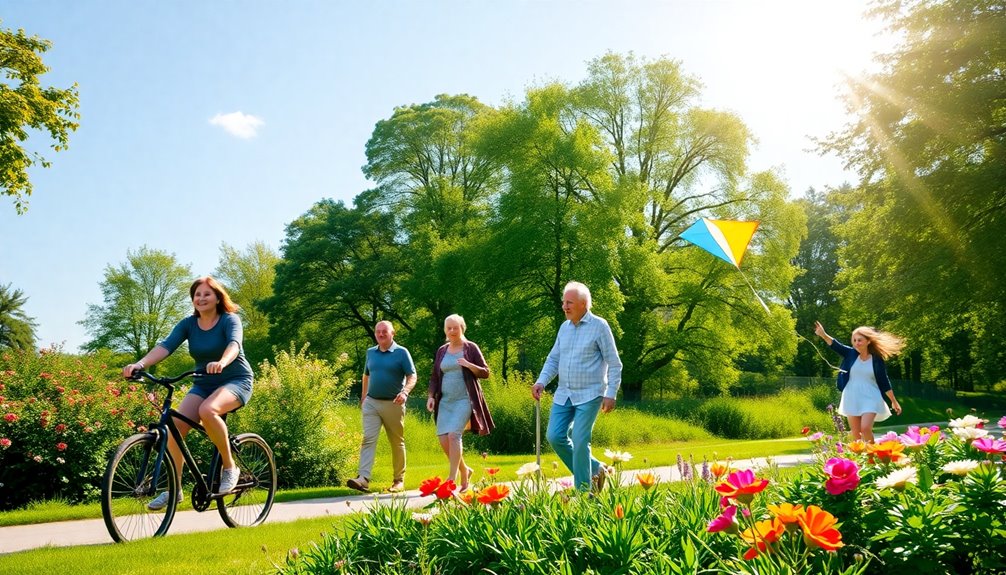
Staying active throughout the day is more important than just hitting hard workouts. Regular movement, like walking or doing household chores, boosts your mood and energy without needing the gym. This kind of activity—known as NEAT—adds up to better overall health and reduces the risks of a sedentary lifestyle. Instead of focusing solely on intense exercise, embracing small, consistent movements can improve your well-being. Discover how to integrate these habits into your daily routine for lasting benefits.
Article Highlights
- Regular movement through daily activities, known as NEAT, significantly contributes to overall health without the need for intense workouts.
- Engaging in simple actions like walking or doing household chores can yield substantial health benefits and improve well-being.
- A sedentary lifestyle raises health risks, while frequent small movements effectively combat these dangers and enhance energy levels.
- Consistency in daily activities fosters better fitness results than sporadic intense workouts, promoting a sustainable active lifestyle.
- Social interactions during movement enhance motivation and enjoyment, making it easier to stay active over time.
The Benefits of Regular Movement
Even though you might think that intense workouts are the only way to stay fit, incorporating regular movement into your daily routine can be just as beneficial. Embracing an active lifestyle doesn't mean hitting the gym every day; it's about finding those small moments to move. Whether you're walking as you're on a call or doing light stretches during breaks, these simple actions create significant movement benefits. They help improve your mood, boost energy levels, and improve overall well-being. Plus, by staying active, you set a positive example for others, encouraging them to join you in this fulfilling approach to fitness. Remember, it's the consistent, everyday activities that can eventually lead to a healthier, happier life for both you and those around you. Additionally, regular physical activity enhances sleep quality by regulating the body's internal clock, promoting better rest.
Understanding the Concept of NEAT
NEAT, or Non-Exercise Activity Thermogenesis, refers to all the calories you burn through daily activities that aren't formal exercise. Comprehending NEAT can help you realize the benefits of staying active in simple ways, like taking the stairs or walking more. Incorporating NEAT into your routine can make a big difference in your overall health without needing a gym.
Defining NEAT
Movement plays a crucial role in our daily lives, and comprehension of the concept of Non-Exercise Activity Thermogenesis (NEAT) can help you appreciate how even small actions contribute to your overall energy expenditure. Defining NEAT involves recognizing that it includes all activities that aren't formal exercise, which can greatly impact your health and energy balance.
| Activity Type | Example | Energy Expenditure |
|---|---|---|
| Household Chores | Cleaning, Cooking | Moderate |
| Walking | To Work, At Home | Low to Moderate |
| Leisure Activities | Gardening, Playing with Kids | Low to Moderate |
Understanding movement importance in these daily tasks can inspire you to incorporate more activity into your routine, finally benefiting both yourself and others. Furthermore, maintaining an active lifestyle can support healthy aging and help mitigate the risks of age-related health issues.
Benefits of NEAT
One of the key advantages of embracing NEAT is the simplicity it brings to staying active throughout your day. Instead of focusing solely on hard workouts, you can incorporate non-exercise activities into your routine, making daily movement more achievable and enjoyable. This approach not just helps you maintain a healthy lifestyle but likewise encourages you to serve others by being more present and engaged. Whether it's walking as you talk on the phone or choosing stairs over elevators, these small changes add up. By prioritizing NEAT, you can inspire those around you to adopt similar habits, creating a supportive environment that values health and activity. In the end, it's about integrating movement seamlessly into your life for lasting well-being. Additionally, a well-educated population is better prepared to adopt new technologies and generate knowledge, which can further enhance your ability to stay active and engage with your community.
Incorporating NEAT Daily
Embracing small changes in your daily routine can make a big difference in staying active. Think about incorporating NEAT—Non-Exercise Activity Thermogenesis—into your life. It doesn't have to be about hitting the gym; it's about integrating creative movement into your day. For instance, take the stairs instead of the elevator or walk during phone calls. You could likewise engage in fun activities like gardening or playing with kids, which keeps you on your feet as well as bringing joy to others. These little adjustments not just boost your energy but additionally inspire those around you to move more. By focusing on daily activities, you'll cultivate a lifestyle of wellness that positively impacts both you and your community. Moreover, as technological advancements reshape the employment landscape, staying active through creative movement practices will become increasingly important for maintaining overall well-being in the evolving virtual workforce.
How Daily Activities Contribute to Fitness
Though many people associate fitness with structured workouts, daily activities play a crucial role in maintaining overall health. By integrating simple tasks into your day, you can improve your well-being as you serve others. Here are three ways daily activities contribute to fitness:
- Active Commuting: Walking or biking to work helps you stay fit as it reduces your carbon footprint, benefiting the environment and your community.
- Household Chores: Engaging in chores like cleaning or gardening not only keeps your home tidy but provides a great workout, boosting your strength and stamina.
- Social Engagement: Participating in local events or volunteering gets you moving and connects you with others, nurturing a sense of community. Additionally, integrating renewable energy practices into your daily life can further promote sustainability while enhancing your overall well-being.
Embracing these daily activities can make a significant difference in your overall fitness progression.
The Risks of a Sedentary Lifestyle
Incorporating daily activities into your routine can greatly improve your fitness, but neglecting movement poses serious risks. A sedentary lifestyle can lead to a range of sedentary consequences, including increased risk of obesity, heart disease, and diabetes. When you sit for long periods, your body's metabolism slows down, making it harder to maintain a healthy weight and increasing your chances of developing lifestyle diseases. You may as well experience diminished energy levels and mental clarity, which affects your ability to serve others effectively. By staying active throughout the day, you not only protect your health but additionally improve your capacity to support those around you. Remember, even small movements can make a significant difference in combating the risks of a sedentary lifestyle.
Sustainable Habits for Long-Term Health
To achieve long-term health, it's essential to cultivate sustainable habits that fit seamlessly into your lifestyle. By integrating mindful movement into your daily routines, you can improve your well-being as you positively impact those around you. Here are three habits to reflect upon:
- Walk More: Incorporate short walks into your day, whether during breaks at work or when running errands. This keeps you active and sets a good example for others.
- Stretch Regularly: Take a few minutes each day to stretch. It promotes flexibility and encourages those around you to prioritize their own movement.
- Engage in Group Activities: Join community classes or local sports teams. This not only builds connections but also promotes a culture of health and wellness in your community.
Balancing Intensity With Consistency
In terms of staying active, it's vital to balance how hard you push yourself with how often you move. Finding your sustainable pace can help you incorporate regular movement into your routine without burning out. By prioritizing consistency, you'll build lasting habits that support your overall health.
Importance of Regular Movement
Regular movement plays a crucial role in maintaining overall health and well-being. It's not just about hitting the gym harder; it's about integrating movement into your daily life. Here are three key aspects to reflect on:
- Movement Frequency: Aim for consistent movement throughout your day. Short bursts of activity can be just as effective as longer workouts.
- Activity Variety: Incorporate different activities to keep things engaging. Whether it's walking, gardening, or dancing, variety helps you stay motivated.
- Social Connection: Engaging in activities with others can improve your sense of community and support, making movement more enjoyable.
Finding Your Sustainable Pace
Finding a sustainable pace is essential for maintaining long-term health and fitness, as overexerting yourself can lead to burnout or injury. To truly serve others, you need to prioritize your own well-being first. Start by setting realistic goals that align with your lifestyle and values. This way, you can incorporate movement into your daily routine without feeling overwhelmed. Remember, finding joy in the process is key; it's not just about the destination. Whether it's a brisk walk, gentle yoga, or a fun dance class, choose activities that resonate with you. Consistency over intensity will help you create a lasting habit that fuels your passion for helping others during ensuring you stay fit and energized.
Practical Tips to Stay Active Throughout the Day
Although it might feel challenging to stay active during a busy day, incorporating small changes can make a significant difference in your overall well-being. Here are three practical tips to help you stay active as you serve others:
- Walking Meetings: Instead of sitting in a conference room, suggest a walking meeting. It's a great way to brainstorm while being active.
- Active Commuting: If possible, bike or walk to work. You'll energize yourself for the day ahead.
- Playful Breaks: Take short breaks for desk stretches or household chores. Even a few minutes of garden activities can uplift your spirits.
Frequently Asked Questions
Can I Stay Active Without a Gym Membership?
Absolutely, you can stay active without a gym membership! Consider home workouts, like yoga or bodyweight exercises, which require little to no equipment. You might as well explore outdoor activities, like hiking, biking, or even volunteering for community clean-ups. These options not just keep you moving but additionally allow you to engage with your surroundings and serve others. Staying active can be about creativity and connection, not just traditional gym routines!
How Does Stress Affect My Ability to Stay Active?
Stress can really impact your ability to stay active. When you're overwhelmed, it's easy to skip physical activity, which can lead to a cycle of increased stress. Nevertheless, managing stress through regular physical activity can make a big difference. Engaging in movement not only helps alleviate stress but additionally boosts your mood. By prioritizing both stress management and staying active, you're not merely helping yourself; you're furthermore setting an example for others to follow.
What Are Some Fun Activities to Increase My Daily Movement?
To increase your daily movement, consider joining dance classes that let you express yourself as you get fit. Outdoor sports, like soccer or frisbee, can be a great way to bond with friends and family. Gardening activities not only keep you active but additionally help beautify your community. Don't forget about family hikes; they're a perfect way to explore nature together. Each of these fun activities makes staying active enjoyable and rewarding!
How Does Sleep Impact My Overall Activity Levels?
Sleep's essential for your overall activity levels. When you get good sleep quality and sufficient sleep duration, you'll find it easier to stay active throughout the day. Rest helps your body recover and recharge, leading to improved energy and motivation. If you're well-rested, you're more likely to engage in activities that benefit others, whether it's volunteering or simply being present for friends. Prioritizing sleep is key to maintaining your lively, active lifestyle.
Are There Specific Foods That Help With Staying Active?
When you think about staying active, consider nutrient timing, hydration strategies, and balance in your meals. Incorporating whole grains, lean proteins, and colorful fruits can fuel your body effectively. Staying hydrated with water or electrolyte-rich drinks keeps your energy up throughout the day. You're not merely nourishing yourself; you're setting a great example for others. By prioritizing these foods, you're not just enhancing your activity levels but additionally encouraging a healthier lifestyle in those around you.