
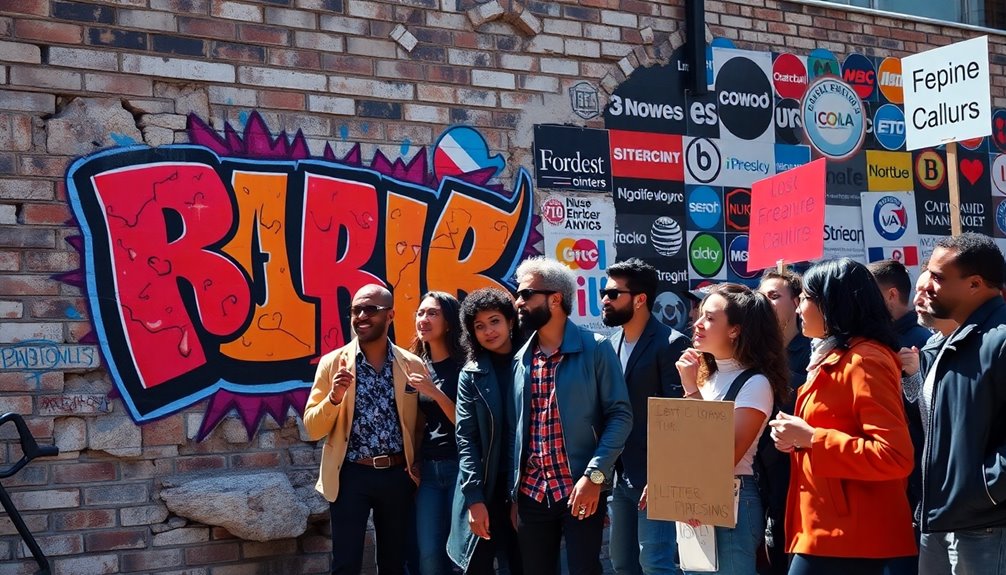
Some brands thrive on rebellion and controversy since they tap into consumers' longing for authenticity and individuality. This anti-establishment appeal creates strong emotional connections, allowing brands to stand out in a crowded marketplace. Rebellious messaging cultivates community engagement and loyalty by aligning with cultural shifts and promoting self-expression. Nonetheless, steering through this terrain requires a careful balance between provocation and acceptance. Those interested in exploring how to implement a bold brand voice will find valuable insights ahead.
Article Highlights
- Brands that embrace rebellion resonate with consumers seeking authenticity and individuality, fostering strong emotional connections.
- Controversial messaging disrupts the status quo, capturing attention and sparking engaging discussions around the brand.
- Aligning with cultural shifts and values enhances relatability, transforming consumers into passionate advocates for the brand.
- Social media amplifies rebellious messages, allowing for real-time consumer engagement and increased visibility through viral storytelling.
- The thrill of rebellion and defiance energizes consumers, empowering them to express their true selves and reject conformity.
The Allure of the Unconventional
When brands embrace the unconventional, they often tap into a deep-seated desire for authenticity and individuality. This attraction isn't merely superficial; it's rooted in the subculture influence that challenges societal norms. Consumers, yearning for liberation from conformity, gravitate in the direction of brands that reflect their anti-establishment appeal. These brands disrupt the status quo, creating a strong connection with those who reject mainstream ideals. They celebrate diversity, encouraging self-expression and the freedom to stand apart. By championing the unconventional, they don't just sell products; they ignite movements that resonate with a collective longing for change. In this way, brands that embody rebellion carve out their own identities, becoming symbols of strength for those who dare to defy expectations. Furthermore, the rise of sustainability and authenticity in consumer behavior amplifies the impact of these rebellious brands, as consumers increasingly seek out companies that align with their values.
Understanding Consumer Psychology
Grasping consumer psychology is essential for brands that embrace rebellion. Many individuals seek an emotional connection and authenticity in their purchases, often gravitating toward brands that echo their values. This attraction to rebellious messaging not merely sets these brands apart but additionally nurtures a loyal community of like-minded consumers. As cultural shifts redefine community diversity and cohesion, brands that align themselves with these changes can foster deeper connections and resonate more profoundly with their audience.
Emotional Connection With Brands
Emotional resonance often shapes the bond consumers form with brands, transcending mere transactions. This connection nurtures loyalty and creates a potent emotional attachment that can ignite passion and rebellion. When brands tap into the deeper feelings of their audience, they don't just sell products; they inspire movements.
- Consumers feel understood and valued.
- Brand loyalty emerges from shared values and experiences.
- Emotional attachment turns customers into advocates.
In a world craving liberation from conformity, brands that embrace controversy can cultivate intense relationships with their audience. By resonating emotionally, they enable consumers to align their identities with the brand, forging a connection that's about much more than just commerce. Effective storytelling can enhance this emotional connection, transforming customers into passionate advocates for the brand.
Desire for Authenticity
In a marketplace overflowing with options, consumers increasingly seek authenticity from brands. This desire stems from a yearning for genuine connections, pushing brands to transcend mere transactions. When brands align with consumer expectations, they nurture brand loyalty, creating a bond that feels liberating rather than transactional.
Here's a snapshot of consumer desires:
| Authenticity Traits | Impact on Brand Loyalty | Consumer Expectations |
|---|---|---|
| Transparency | Increases trust | Honest communication |
| Relatability | Encourages connection | Shared values |
| Social Responsibility | Boosts brand image | Ethical practices |
Brands that embody these traits resonate deeply, transforming consumers into passionate advocates who crave liberation through authenticity. This connection is the key to thriving in a constantly changing marketplace. Additionally, brands that promote social justice advocacy can further establish a strong emotional connection with consumers, reflecting their values and driving loyalty.
Attraction to Rebellious Messaging
Why do consumers gravitate toward brands that embrace rebellious messaging? It's simple—these brands embody a spirit of liberation that resonates deeply with those yearning for change. Rebellious marketing captures attention and inspires action, making consumers feel part of something bigger. By employing unconventional strategies, these brands challenge norms and inspire a sense of belonging among like-minded individuals.
- They offer a break from conformity, empowering consumers to express their true selves.
- Rebellious messaging ignites passion and fuels a desire for authenticity.
- Such brands often position themselves against the mainstream, creating a loyal following that thrives on defiance.
- Ultimately, consumers are drawn to the exhilarating energy of rebellion, seeking solace in brands that dare to be different, particularly through unconventional influencer partnerships that resonate with authenticity.
The Role of Authenticity in Brand Messaging
In the realm of rebellious branding, authenticity plays an essential role in shaping consumer perceptions. Brands that embrace a genuine voice and maintain transparency often find themselves building stronger trust with their audience. This connection not merely cultivates loyalty but additionally improves the overall brand experience.
Embracing Genuine Brand Voice
As many brands chase trends and fleeting fads, those that embrace a genuine brand voice often find deeper connections with their audience. Authenticity isn't just a buzzword; it shapes brand identity and nurtures voice consistency. This genuine approach liberates brands from conformity and allows them to resonate with consumers who crave something real.
- Cultivates trust and loyalty among customers
- Differentiates the brand in a saturated market
- Encourages open dialogue and community engagement
Transparency Builds Trustworthiness
Authenticity in brand messaging goes hand in hand with transparency, forming a solid foundation for trustworthiness. In a world craving liberation from superficiality, brands that embrace brand transparency resonate deeply with consumers. When companies openly share their values, processes, and challenges, they cultivate an environment where consumer trust flourishes. This honesty not merely attracts discerning customers but additionally nurtures loyalty; consumers feel empowered and connected to brands that don't shy away from their flaws. Furthermore, transparency acts as an influential antidote to skepticism, dismantling barriers between brands and their audiences. By committing to authentic communication, brands can thrive in a rebellious marketplace, ultimately redefining their relationships with consumers who yearn for genuine connection and accountability.
Case Studies of Successful Rebellious Brands
Though many brands play it safe to maintain their market position, several have thrived by embracing rebellion and challenging the status quo. Rebellious branding has proven effective for companies like Nike, which took a stand for social justice through controversial campaigns featuring Colin Kaepernick. Another example is Ben & Jerry's, known for its bold statements on political issues, pushing boundaries as they promote their values. Finally, Diesel's "Go With the Flaw" campaign celebrated imperfections, inviting consumers to embrace their individuality.
- Nike: Championing social justice and equality
- Ben & Jerry's: Advocating for political activism and awareness
- Diesel: Encouraging self-acceptance and defiance against norms
These brands inspire a desire for liberation, proving that rebellion can resonate deeply with audiences.
The Risks and Rewards of Controversial Marketing
Although controversial marketing can ignite passionate discussions and strengthen brand loyalty, it also carries significant risks that can alienate consumers. Brands must conduct a thorough risk assessment before launching controversial campaigns, weighing potential backlash against possible rewards.
| Risks | Rewards |
|---|---|
| Consumer alienation | Strengthened brand loyalty |
| Negative media coverage | Increased brand visibility |
| Loss of partnerships | Engagement with target audience |
Navigating this terrain requires a fearless approach, as embracing rebellion can lead to liberation in brand identity. Nonetheless, the line between provocation and offense is thin, and brands must tread carefully. In the end, the balance between risk and reward defines the success of their audacious marketing endeavors.
Social Media's Impact on Brand Rebellion
In the age of social media, brands have a formidable platform to amplify their rebellious messages, allowing them to engage directly with consumers in real-time. Social media algorithms favor content that sparks conversation and challenges norms, making it easier for brands to go viral. This connection gives rebellious brands a unique advantage in crafting a narrative that resonates with those yearning for liberation.
- Engaging storytelling captures audiences' attention.
- Authenticity nurtures trust and loyalty among followers.
- Controversial topics ignite discussions, driving organic reach.
Through these channels, brands can utilize the strength of viral content, igniting movements and encouraging consumers to join their cause, finally transforming rebellion into a formidable marketing strategy.
Strategies for Implementing a Bold Brand Voice
A bold brand voice can be a game-changer in today’s competitive market. To implement this voice, brands must embrace bold messaging that challenges conventional norms. They should prioritize radical authenticity, allowing their true values and beliefs to shine through. Crafting a clear narrative that resonates with audiences is crucial; brands need to speak from the heart, nurturing connections that inspire liberation and self-expression. Engaging with consumers transparently, even when it means addressing controversial issues, can improve loyalty. Regularly evaluating audience feedback helps refine this voice, ensuring it remains relevant and impactful. In the end, brands that confidently embrace their unique perspectives can carve out a distinct space in the market, appealing to those yearning for something more than the status quo. Moreover, brands should consistently push the boundaries of creativity, using innovative approaches that captivate and surprise their audiences. By fostering a culture of experimentation and encouraging open dialogue, companies can strengthen their connection with consumers and build a fearless brand identity. Ultimately, this commitment to authenticity and boldness not only sets a brand apart but also cultivates a community of loyal advocates who believe in its mission.
Frequently Asked Questions
How Do Rebellious Brands Measure Their Success?
In terms of measuring success, rebellious brands know they've got to think outside the box. They often rely on success metrics like customer engagement and sales growth, but brand loyalty is their true goldmine. By cultivating a passionate community, these brands create a following that's willing to support them through thick and thin. It's all about striking a chord with their audience, making them feel liberated and aligned with the brand's daring spirit.
Are There Limits to Brand Controversy?
When exploring limits to brand controversy, one must consider brand boundaries and controversy ethics. As pushing the envelope can spark interest, there's a fine line; crossing it can alienate audiences or damage reputations. Brands should embrace liberation in their messaging, yet they need to remain aware of societal norms and values. In the end, it's about striking a balance between boldness and respect, ensuring that their rebellious spirit doesn't lead to backlash or disconnection.
What Industries Benefit Most From Rebellious Marketing?
In a world where conformity reigns, the fashion industry and beverage brands burst forth like fireworks, embracing rebellion to captivate audiences. These sectors thrive on audacious marketing that challenges norms, sparking excitement and a sense of liberation among consumers. With bold statements and provocative imagery, they ignite passion and loyalty, turning everyday choices into acts of defiance. It's no wonder these industries flourish when they dare to defy the mundane and celebrate individuality.
How Can Small Brands Adopt a Rebellious Stance?
To adopt a rebellious stance, small brands need to focus on bold brand positioning that challenges norms. By embracing their unique identity, they can cultivate genuine audience engagement, drawing in customers who crave liberation from mainstream expectations. They shouldn't shy away from controversy; instead, they should use it to spark conversation and build a community. In the end, it's about being authentic and fearless in expressing their values, which resonates deeply with their target audience.
What Are Common Misconceptions About Controversial Marketing?
Many people think controversial marketing is just about shock value, but that's a misconception. It often comes from misunderstood intentions, where brands aim to spark dialogue rather than provoke outrage. They can misjudge their audience, leading to backlash. Not every campaign needs to be polarizing; some merely seek to challenge norms. By focusing on authenticity, brands can connect deeply with those yearning for liberation, avoiding the pitfalls of insensitivity and miscommunication.